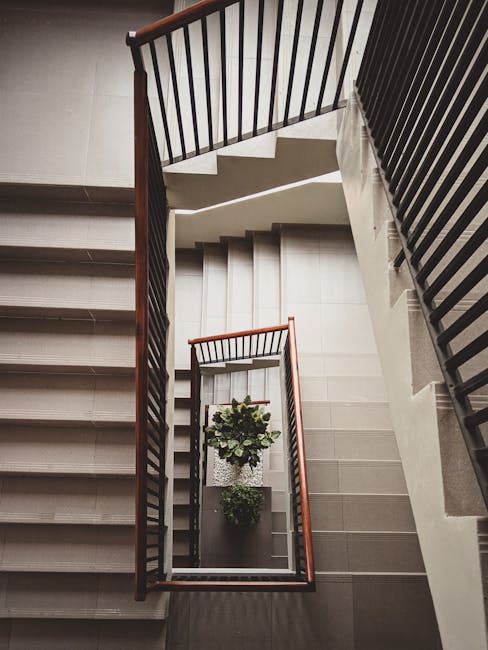
Staircase-only flats on Snakes Lane -- safe removal strategies
If you are facing a move from a staircase-only flat on Snakes Lane, you already know this is not a "just grab a van and go" job. Narrow landings, awkward turns, old banisters, low ceilings, and one too many trips up and down the stairs can turn a simple removal into a stressful one very quickly. The good news? With the right planning, the right equipment, and a calm approach, safe removal strategies can make the whole thing far more manageable.
This guide walks through what makes staircase-only flats tricky, how to move furniture safely in those conditions, and what to do to reduce damage, delays, and injury risk. It also covers practical decision points, useful preparation steps, and the kind of real-world details that tend to matter most on the day. Let's face it: stairs are where many moves get messy. But they do not have to.
Why Staircase-only flats on Snakes Lane -- safe removal strategies Matters
A staircase-only flat means there is no lift, no service lift, and usually no easy shortcut. Everything, from a dining table to a mattress, has to be carried by hand. On Snakes Lane, that matters even more because local access, parking, and building layouts can make timing and loading awkward. A poorly planned move can block the stairwell, damage walls, scuff floors, or leave someone with a strained back before the van has even pulled away.
The issue is not simply convenience. It is safety, pacing, and protecting the property. In a stair-only building, each item has to be assessed for size, shape, weight, and how it behaves on the turn. That awkward corner halfway down the staircase? It can be the difference between a controlled carry and a near-miss.
We see this a lot with flats where people underestimate how much space a sofa actually needs once it leaves the lounge. It is one thing to move it across a room. It is another to angle it through a narrow stairwell while someone else steadies the bottom end and keeps clear of the bannister. Truth be told, most "problem moves" are really planning problems.
If you are still at the planning stage, it can help to read broader moving advice too, especially the stress-free moving strategies piece, which is useful for the big-picture side of the process. For the packing side, packing strategies for moving can save time and reduce heavy handling.
How Staircase-only flats on Snakes Lane -- safe removal strategies Works
The safest staircase-only removal process is usually built around three things: measuring, separating, and sequencing. First, you measure the awkward bits before the move starts. Then you separate furniture into what can be carried as-is, what should be dismantled, and what should be protected with wraps or covers. Finally, you sequence the move so the heaviest and most awkward pieces go out when the stairwell is clear and the team is fresh.
In practice, a safe removal is rarely about speed alone. It is about control. A well-run team will pause at landings, communicate clearly, and use proper lifting angles rather than trying to muscle everything through in one go. Small pauses make a big difference. The sound of boots on stairs, a careful "ready?" from the lower carrier, and a steady shuffle through a tight turn - that is what a controlled move tends to look like.
For some items, the safest answer is dismantling. Beds, wardrobes, shelving, and some desks move much better in pieces. For others, such as mattresses or large sofas, the better approach is careful wrapping, corner protection, and a two-person carry with a clear route. If you are moving bulky upholstered furniture, a guide like how to protect and store a sofa properly is also relevant because the same protective thinking helps during a removal.
There is also the route from flat to van to consider. A good plan does not stop at the front door. It includes stair width, turning points, outside steps, pavement conditions, and whether a waiting vehicle can be parked close enough to avoid extra carrying distance. That last bit sounds minor. It is not.
Key Benefits and Practical Advantages
When staircase-only removals are handled properly, you get more than just fewer scrapes on the wall. You get a calmer day, less wasted energy, and a much lower chance of accidental damage. There is also a morale benefit, which sounds a bit soft until you are halfway through the third flight and still have the heavy pieces to go. A sensible plan keeps everyone from getting frazzled.
Here are the main advantages of using safe removal strategies in this kind of flat move:
- Lower injury risk: controlled carrying and the right equipment reduce strain on backs, shoulders, and wrists.
- Less property damage: padding, protective wraps, and route planning help protect walls, doors, rails, and flooring.
- Better time control: when the move is sequenced properly, there is less stop-start chaos.
- Improved item protection: furniture, appliances, and boxes are less likely to be dropped or knocked.
- Less stress for residents and neighbours: fewer blocked landings and less repeated noise through the stairwell.
It also makes a difference financially, though not always in the obvious way. A smoother move often means fewer delays, fewer emergency fixes, and less risk of avoidable damage. If you are comparing options, it is sensible to review how removal quotes can hide extra costs before you commit.
Expert summary: In staircase-only flats, the safest move is rarely the fastest-looking one. The best results usually come from measured lifting, item-by-item planning, and keeping the stairwell clear from start to finish.
Who This Is For and When It Makes Sense
This approach is for anyone moving out of or into a flat where stairs are the only access route. That includes upper-floor maisonettes, converted properties, older flats in terraced buildings, and student lets where the staircase is tight and furniture is not exactly modest in size. If you have a piano, a heavy wardrobe, or a bed that was assembled in another century, you will especially feel the difference.
It also makes sense if you are moving on a deadline. A rushed move through stairs tends to magnify every small issue. If you have less-than-ideal timing, maybe because your tenancy ends at midday or your handover is tightly scheduled, it helps to look at a faster service such as same-day removal support for flat moves. Not every move needs that, of course, but when the clock is not on your side, it can be the difference between manageable and chaotic.
It is also a sensible choice if you are moving fragile or awkward items. A piano is the obvious example, and it deserves proper handling rather than hopeful lifting and a bit of gritted teeth. For that, the reading on why DIY piano moving is risky is worth a look. Little surprise there - pianos are not forgiving objects.
If you are a student, downsizing, or moving alone, safe staircase planning matters even more. Smaller moves can be deceptively tricky because people assume they are simple. They often are not. One heavy desk and a tricky bend can create the same problem as a full house move.
Step-by-Step Guidance
The cleanest way to handle staircase-only flats is to break the process into distinct steps. That way, you do not end up trying to wrap, lift, plan, and load all at once. That is where mistakes happen, usually in a hurry and usually near the stairs.
- Survey the staircase and access points. Check the width, landings, handrails, ceiling height, and any awkward turns. Photograph tight spots if needed. If a piece looks borderline, measure it. Do not guess.
- Sort items by carry difficulty. Put bulky, fragile, and heavy items into separate categories. Mattresses, sofas, wardrobes, mirrors, and appliances should get special attention.
- Dismantle what can be dismantled. Beds and shelving often move better in sections. Keep screws, fittings, and small parts together in labelled bags.
- Protect surfaces before lifting starts. Use covers on the floor and padding on corners, banisters, and doorframes. A little prep saves a lot of irritation later.
- Assign clear roles. One person leads, one stabilises, and one clears the route or manages the van load. Mixed signals on stairs are not ideal. Not even slightly.
- Move the biggest items first, when everyone is fresh. Heavy carries are easier at the start of the day than after three hours of box shuffling.
- Pause at landings and turn carefully. Never force an object around a bend if the angle feels wrong. Reposition, reset, and take the safer route.
- Load the van methodically. Heavier items go in first and should be secured so they cannot slide in transit.
If you want to make the packing stage smoother too, the guide on smart packing approaches for moving day is a helpful companion piece. And if you are trying to do a lot on your own, solo heavy lifting techniques is a sensible read - although, fair warning, some tasks really do belong to two people.
Expert Tips for Better Results
Good staircase removals are often won in the small details. The team that gets through a narrow stairwell safely is usually the one that has thought about the awkward bit before it becomes awkward. A few practical tips make a real difference.
- Use blankets and strap systems properly. Loose wrapping can slip at the worst moment.
- Protect the lower carrier's hands. Gloves with grip are simple, but they help.
- Keep voices calm and short. "Stop", "lower", and "turn" beat long instructions every time.
- Avoid rushing the first carry. The first successful move sets the rhythm for the rest of the day.
- Take out boxes before furniture if the route is tight. It creates breathing space on the stairwell.
- Check the weather. Wet steps and muddy footwear are a small thing until someone slips on the bottom landing.
There is also a useful planning trick: imagine the biggest object as if it were already halfway round the turn. If it looks likely to clip the wall, it probably will. That mental rehearsal is surprisingly accurate.
If you are removing a bed or mattress, it helps to review best practice for moving beds and mattresses. Mattresses in particular can act like giant, awkward sails in a stairwell if you are not careful. Anyone who has had one twist sideways in a narrow hall knows what I mean.
And if you are moving locally around the area, route planning matters too. The piece on better removal routes around Woodford High Road can help with local movement patterns and access timing. For other nearby residential access challenges, narrow-street removal tips for George Lane gives a useful sense of what route awareness looks like in practice.
Common Mistakes to Avoid
Most stairwell problems are predictable, which is annoying but also useful. If you know the usual mistakes, you can avoid them before they become expensive or painful. Here are the ones that come up most often.
- Not measuring properly. "It should fit" is not a measurement.
- Trying to move too much at once. Two boxes and a lamp in one trip is how people miss steps and lose patience.
- Skipping dismantling. If a wardrobe can come apart, forcing it down as one piece is rarely the clever choice.
- Ignoring wall protection. Stairwells show every scuff. Every one.
- Using too few people for heavy items. Solo heroics are overrated in removals.
- Loading the van in a rush. Damage often happens at the loading stage, not on the stairs.
- Forgetting clearance for neighbours. Shared stairwells need a bit of courtesy and timing.
A very human mistake is underestimating fatigue. The first flight feels fine. The second is okay. By the fourth, small decisions get sloppy. That is why pacing matters so much. If the move is big, you need breaks. Not endless breaks, obviously, but enough to keep judgement sharp.
If the move includes items you no longer want, it may also be worth planning waste removal rather than dragging clutter to the new place. The guide on bulky waste removal solutions in Woodford Green is useful for that side of the move.
Tools, Resources and Recommendations
You do not need a warehouse full of gear, but a few simple tools make staircase-only moves much safer. The right kit reduces strain and helps protect both furniture and building finishes. Nothing fancy. Just practical.
| Tool or resource | What it helps with | Why it matters in staircase-only flats |
|---|---|---|
| Furniture blankets | Scrape and impact protection | Prevents damage on stair edges and landings |
| Straps and harnesses | Load control | Helps stabilise awkward pieces through turns |
| Dollies and sack trucks | Ground transport | Useful for flat surfaces, but usually not for stairs themselves |
| Floor coverings | Surface protection | Protects floors during repeated traffic |
| Labelled packing boxes | Organisation | Reduces chaos when carrying and loading by hand |
For people who need a bit of extra space between move-out and move-in dates, storage can be a smart pressure valve. It is especially useful if one staircase-only property is being cleared before the next one is ready. A practical overview is available at storage options in Woodford Green.
It also helps to be a bit selective about what you actually move. The article on decluttering before a move is genuinely handy here. Fewer items means fewer stair carries. Simple, but powerful.
And if you want help with packing materials, boxes, and the general "where do I even start?" feeling, packing and boxes support in Woodford Green is relevant to the practical side of getting ready.
Law, Compliance, Standards, or Best Practice
For staircase-only removals, the most important compliance point is not a single dramatic rule; it is the everyday duty to work safely and avoid foreseeable harm. In the UK, removal work is generally expected to follow sensible manual handling practice, take care around shared spaces, and protect people and property from avoidable risk. That means proper lifting techniques, suitable equipment, and a plan that matches the conditions on site.
Shared stairwells in flats can also involve building rules, access windows, or neighbour considerations. Even where no formal restriction is obvious, best practice is to keep routes clear, avoid blocking common areas for longer than needed, and handle items in a way that respects other residents. A bit of communication goes a long way. Nobody enjoys finding a sofa parked on the landing.
Insurance is another practical consideration. If a move involves valuable or difficult items, it is sensible to check what protection is available and what exclusions may apply. The page on insurance and safety information is a useful starting point, and the general health and safety policy gives helpful context on how a careful move should be approached.
On a related note, recycling and responsible disposal are often part of a staircase-only flat move too, especially when people use the move to clear out old furniture. If that is part of your plan, it helps to keep sustainability in mind rather than treating unwanted items as an afterthought. The guide on recycling and sustainability gives that angle proper weight.
Options, Methods, or Comparison Table
There are a few ways to handle a staircase-only flat move, and the right choice depends on the item, the staircase, and how much help you have. One size does not fit all here.
| Method | Best for | Pros | Trade-offs |
|---|---|---|---|
| DIY with friends | Small, light moves | Lower upfront cost, flexible timing | Higher injury risk, less control, limited equipment |
| Partial professional support | Heavy furniture or awkward items only | Good balance of budget and safety | Requires coordination and clear item lists |
| Full removal service | Busy, complex, or time-sensitive moves | Most controlled, less stress, better protection | Usually the most expensive option |
| Storage-first move | Staggered move dates or decluttering | Creates breathing space, reduces pressure | Extra coordination and storage cost |
For many staircase-only flats, a hybrid approach works well: pack and carry light items yourself, then bring in help for the difficult pieces. That is often the most sensible middle ground. It is also where local services such as man and van support in Woodford Green can be useful, especially if you want help without overcomplicating the move.
If the move is a full household relocation rather than a small flat clear-out, it is worth looking at flat removals in Woodford Green and, for larger relocations, house removals support to see which type of help fits best. Sometimes the label matters less than the actual access challenge.
Case Study or Real-World Example
A typical staircase-only move on Snakes Lane might involve a top-floor flat with one narrow central staircase, a large sofa, a double mattress, a dismantled bed frame, several boxes of books, and a small fridge. It sounds straightforward. It usually is not.
In one common scenario, the team starts with the mattress because it is light but awkward. The mattress is wrapped, angled on its side, and carried slowly down the turn with one person leading and one person keeping the lower edge controlled. The bed frame follows in parts, which keeps the stairwell clear. Boxes come next, because they are easier to stack in the van once the larger pieces are out of the way.
The sofa is handled last but before the team gets tired. That matters. The route is checked in advance, the banister is padded, and the carriers talk through every shift in direction. No sudden movement. No arm-wrestling the object through the bend. Just measured, patient progress.
At the end of the move, the flat is clear, the walls are intact, and nobody is muttering about a pulled shoulder. That is the real win. It is not glamorous, but it is exactly what good removals should feel like: controlled, uneventful, done.
Practical Checklist
Use this before moving day. It keeps the essentials in one place and helps you spot the gaps before they become problems.
- Measure the staircase, landings, and tight turns
- Check whether any furniture can be dismantled
- Label boxes by room and weight
- Set aside blankets, wraps, tape, and straps
- Protect floors, bannisters, and corners
- Confirm parking and van access close to the property
- Clear the stairwell of loose items and trip hazards
- Assign who carries, who guides, and who loads
- Keep valuables and documents separate
- Decide in advance which items need professional handling
- Build in short breaks, especially for multi-floor moves
- Double-check keys, handover times, and building access
If you are already looking at the numbers, the overview on pricing and quotes can help you understand what to expect and compare options without second-guessing every line.
One more small thing: if you are moving a freezer or similar appliance into storage or out of a tight flat, planning matters there too. The guide on efficient freezer storage when idle is surprisingly relevant when appliances are part of the move.
Conclusion
Staircase-only flats on Snakes Lane do not need to be a nightmare. They do need respect. The stairwell is your route, your challenge, and, if you are honest, your bottleneck. Once you accept that, the move becomes much easier to plan properly.
Measure early, dismantle where sensible, protect the building, and keep the lifting controlled. If the job is large, awkward, or time-sensitive, bringing in experienced help is not overkill - it is just sensible. And that is usually what the best moves come down to: a calm plan, a bit of patience, and no heroics on the stairs.
Get a free quote today and see how much you can save.
At the end of the day, a well-managed move leaves you tired, yes, but not rattled. That's the real goal.
Frequently Asked Questions
What makes staircase-only flats harder to move from?
They remove the easy option of a lift, so every item has to be carried manually through narrow, turning stairwells. That increases the risk of strain, delays, and accidental damage if the move is not planned carefully.
Should I dismantle furniture before moving it down the stairs?
Usually, yes, if it can be done safely. Beds, shelving, and some wardrobes are often easier and safer to move in parts than as one large object. It is not worth forcing bulky furniture through a tight bend if dismantling is a realistic option.
How do I know if a sofa will fit down the staircase?
Measure both the sofa and the stairwell, including landings and the turning space. Then compare the sofa's longest side and depth against the narrowest point on the route. If it looks tight on paper, it will feel tighter in real life.
Can one person move heavy items down stairs alone?
Some lighter items, yes, but heavy furniture and awkward appliances should not be handled alone. A second person improves control and reduces the chance of slips, strains, or impact damage. Solo lifting is one of those things that sounds manageable until it is not.
What equipment helps most with staircase removals?
Furniture blankets, straps, floor protection, gloves with grip, and labelled packing materials are all useful. For stairs themselves, the biggest help is often careful planning rather than fancy kit.
How far in advance should I plan a staircase-only move?
As early as possible, especially if you have large items or restricted access. Even a short move benefits from a proper route check and item list. If the move is complex, a few days of preparation can save a lot of stress.
Is it better to hire a full removal service or just a man and van?
That depends on the volume, the staircase, and your comfort with heavy lifting. A smaller move may only need man and van support, while a larger or more difficult flat move may suit a fuller removal service. It is worth matching the service to the access challenge, not just the item count.
What should I protect first in a shared stairwell?
Floors, walls, doorframes, and banisters usually need attention first. Staircases show marks quickly, so padding corners and laying down floor coverings can prevent small scrapes from becoming visible damage.
How can I reduce stress on moving day?
Pack early, label clearly, and keep the stair route free of clutter. It also helps to decide in advance which items are heavy, fragile, or best left to professionals. Clear planning does wonders, even if the day still feels a bit hectic.
Are there any legal or safety issues I should think about?
Yes, mainly around safe lifting, preventing injury, and respecting shared access areas. Good practice includes using the right equipment, avoiding blocked stairwells, and making sure anyone helping understands the route and the load.
What if I need to store items before or after the move?
Storage can be a very practical bridge when dates do not line up neatly. It is especially useful if the staircase-only flat is being cleared before the next property is ready. Storing a few awkward items can make the move feel much less crowded.
When should I ask for professional help?
If the items are heavy, the stairs are very tight, the move is time-sensitive, or you simply do not want to risk damage or injury, that is the moment to ask. Sometimes the calmest decision is the smartest one.