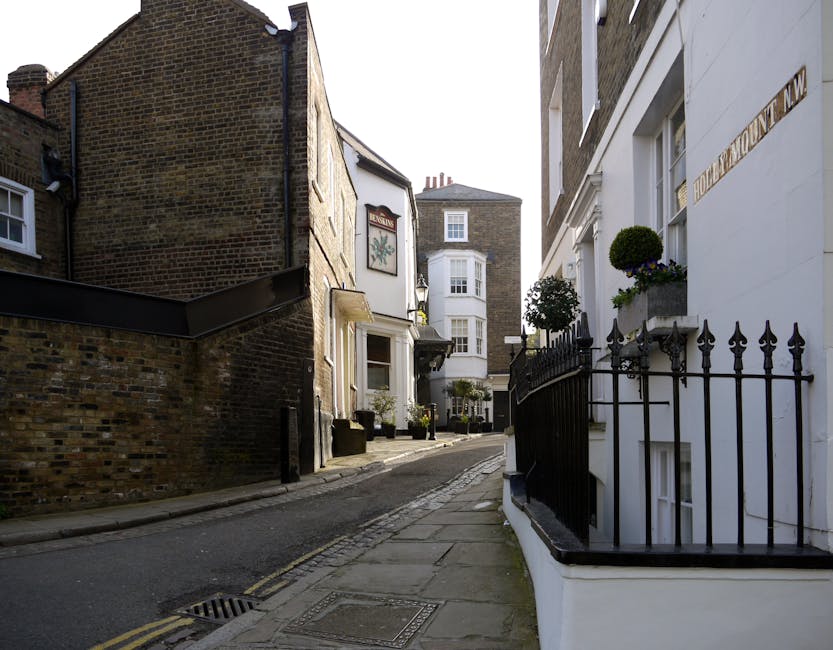
Moving to George Lane, Woodford Green: Narrow-Street Removal Tips
Moving into or out of George Lane in Woodford Green can be straightforward with the right plan, but narrow streets change the game fast. A van that would be fine on a wider road can suddenly become awkward when there are parked cars, tight turns, low patience from neighbours, and only a sliver of space to load safely. If you are moving to George Lane, Woodford Green, the smartest approach is to prepare for access before the first box is lifted.
This guide pulls together practical narrow-street removal tips that help you avoid delays, protect your furniture, and keep the day calmer than it might otherwise feel. You will find clear steps, useful comparisons, common mistakes, and the kind of local-minded planning that makes a real difference on a busy residential street.
Short version: on tight streets, success usually comes from better planning, lighter and smarter packing, and reducing the number of times things need to be carried back and forth.
Table of Contents
- Why narrow-street removals on George Lane matter
- How the moving process works on a tight street
- Benefits of planning for restricted access
- Who needs this advice most
- Step-by-step moving guidance
- Expert tips for a smoother move
- Common mistakes to avoid
- Tools, resources and recommendations
- Law, compliance and best practice
- Methods compared
- Real-world example
- Practical checklist
- Conclusion
- Frequently asked questions
Why Moving to George Lane, Woodford Green: Narrow-Street Removal Tips Matters
George Lane is the kind of place where a move can be made easy by good timing and careful handling, or made frustrating by a few avoidable access issues. Narrow streets tend to magnify small problems. One badly parked car, one oversized box, or one unnecessary second trip can snowball into a slow, stressful day.
That is why narrow-street removal planning matters so much. It is not just about fitting a van into a tight gap. It is about protecting your schedule, reducing the chance of damage, and keeping the move safe for everyone involved. It also helps you make the right service choice. For example, a simple flat move may need different planning from a full-house relocation or a small office relocation in Woodford Green.
In practical terms, narrow streets affect:
- where the removal vehicle can stop
- how far items must be carried
- whether large furniture can be manoeuvred without snagging walls or railings
- how long loading and unloading will take
- how easy it is to manage neighbours, parked cars and passing traffic
If you are moving during a busy period, the pressure goes up again. A move that is already slightly awkward can become much harder if access is shared, parking is limited, or the property sits among terraces and tight bends. That is exactly where thoughtful planning pays off.
How Moving to George Lane, Woodford Green: Narrow-Street Removal Tips Works
A narrow-street move works best when you treat access as part of the move plan, not as an afterthought. The process usually starts with a quick assessment: what size van is realistic, where it can stop, how far the walk from property to vehicle will be, and whether there are any items that need special handling.
From there, the move is usually broken into three practical stages.
1. Access planning
This is where you work out the street layout, likely parking position, and the route from your front door to the vehicle. On roads like George Lane, the difference between a smooth load and a messy one is often just a few metres and a clear entry path. If the street is tight, a smaller vehicle or a flexible loading plan can be more effective than forcing a larger van into an awkward position.
2. Item preparation
Not everything should be treated the same. Boxes, soft furnishings, awkward items, and fragile goods all need different treatment. Good packing makes a huge difference, and it is worth reviewing practical packing strategies for moving day before you start taping boxes shut at speed.
3. Controlled loading and unloading
Once access is confirmed, the aim is to keep the carrying route clear, reduce stopping and starting, and load in a sensible order. Heavier items usually go first, then box stacks, then lighter or more fragile pieces. On a tight street, this order matters because rehandling bulky furniture in a cramped space wastes time and raises the risk of knocks and scrapes.
For larger or more awkward belongings, you may want specialist handling. A piano, for instance, should not be improvised on a narrow road with a few well-meaning helpers and optimism. It is better to understand the risks of DIY piano moving before you decide how to approach it.
Key Benefits and Practical Advantages
The main benefit of planning for a narrow street is simple: less friction. But that broad idea translates into several concrete advantages.
- Less damage risk: fewer awkward lifts, fewer tight turns, and less chance of scraping doors, walls, or furniture.
- Faster loading: when the route and van position are planned, removal teams can work more efficiently.
- Lower stress: you are not making last-minute decisions at the kerb while boxes pile up behind you.
- Better use of labour: the team spends more time moving items and less time waiting, repositioning, or walking extra distance.
- Improved safety: clear access reduces carrying strain and trip hazards, especially on pavements or shared entrances.
There is also a hidden benefit people often miss: better planning makes it easier to choose the right service level. If your move is compact and access is predictable, a man and van service in Woodford Green may be ideal. If your property is packed with furniture, you might need something more robust, such as house removals in Woodford Green.
That decision matters because the wrong vehicle or team setup can turn a modest move into a hard day for everyone.
Who This Is For and When It Makes Sense
This advice is especially relevant if any of the following sound familiar:
- you are moving into a property on or near George Lane with limited street width
- your building has narrow entrances, steps, or shared access
- there is restricted parking close to your door
- you have large furniture, appliances, or fragile items
- you are arranging a move with only one day available
- you want to reduce the risk of neighbour disruption or blocked access
It also makes sense for people moving smaller loads who might assume the job will be simple. In narrow streets, small can still be tricky. A few heavy items, a mattress, a sofa, and several stacked boxes can create more handling challenges than a bigger move in a wide-open driveway.
Students and renters benefit too. A short-term flat move or end-of-tenancy relocation often involves tight timings and fewer helpers, which makes access planning even more important. If that sounds like your situation, the service page for student removals in Woodford Green may also be useful.
Step-by-Step Guidance
Here is a practical way to prepare for a narrow-street move without overcomplicating it.
- Survey the street in advance. Walk the route from property to vehicle parking point. Notice bends, parked cars, low walls, tight gates, and any points where a large item would need to be angled.
- Measure the awkward items. Sofas, wardrobes, beds, and appliances are the usual troublemakers. If an item is too wide for a stairwell or hallway, plan for disassembly or alternative handling.
- Decide what really needs moving. A tighter street is not the place for unnecessary clutter. If you can lighten the load beforehand, do it. The article on decluttering before your move is a sensible companion read.
- Pack by access, not just by room. Put the heaviest and most awkward items where they can be reached first. Keep essentials separate so you do not lose half the morning searching for kettle leads or documents.
- Protect corners and surfaces. Use blankets, wraps, tape, and covers where appropriate. Narrow streets tend to involve more turning and more contact with doorframes or railings.
- Choose the vehicle size carefully. Bigger is not always better if it cannot stop safely. Sometimes a smaller vehicle with fewer repositioning problems is the smarter choice. If you need a flexible option, a removal van in Woodford Green may suit a tighter access point.
- Load in a controlled order. Put heavier, sturdier items down first. Use lighter boxes and soft furnishings to fill gaps. Keep fragile items protected and easy to identify.
- Keep the route clear. Try not to create "temporary piles" in hallways or on the pavement. They slow everything down and increase trip risk.
- Plan for the unexpected. If a vehicle cannot park exactly where expected, or the street is busier than predicted, have a fallback plan ready.
For mattress and bed moves, planning matters even more because these items are large, awkward, and prone to catching on corners. If you are dealing with one, it is worth reading about moving your bed and mattress efficiently.
Expert Tips for Better Results
The little details matter most on narrow streets. Here are the practical tips that tend to make the biggest difference.
- Start earlier than you think. Tight access always takes longer than easy access, even for experienced movers.
- Use fewer, better-packed boxes. Overfilled boxes are harder to stack and more likely to split at the worst time.
- Keep a clear "first in, first out" system. Label essentials and non-essentials so the right items come off the vehicle quickly.
- Protect the street as well as your property. A careful move is quieter, cleaner, and more neighbour-friendly.
- Break down furniture where sensible. This is especially helpful for wardrobes, beds, and some shelving units.
- Do not attempt hero lifts. If something is too heavy for one person, it is too heavy for one person. Simple as that.
One useful habit is to treat the move like a route problem, not just a packing problem. A sofa that looks fine in the living room can become a real puzzle once it reaches a narrow pavement and a parked car blocks the swing angle. That is where experience helps.
If you are tempted to muscle everything through yourself, have a look at safe solo heavy-lifting techniques. It is a good reminder that "possible" and "wise" are not always the same thing.
Common Mistakes to Avoid
Most moving problems on tight streets come from predictable mistakes. Avoid these and you are already ahead of the curve.
- Assuming parking will sort itself out. On a narrow road, parking is often the first issue to resolve, not the last.
- Leaving packing too late. Last-minute boxing usually leads to overfilled cartons and poor labelling.
- Ignoring furniture dimensions. A piece may fit in theory but fail in practice at the doorway or stair bend.
- Using the wrong vehicle. Too large can be as much of a problem as too small.
- Not protecting fragile items properly. One bump on a narrow route can undo a rushed packing job.
- Forgetting to plan for weather. Rain makes carrying slower and more hazardous, especially where paths are already tight.
- Trying to move high-risk items without specialist help. Pianos, large glass furniture, and some antiques deserve proper handling.
There is another mistake that sounds minor but causes real frustration: not thinking about what happens once the van arrives. If your new place is on a tight street but your old place is easier to access, the loading and unloading sides may need different strategies. That is especially true when furniture is going into temporary storage with storage options in Woodford Green rather than directly into the property.
Tools, Resources and Recommendations
You do not need a van full of specialist equipment for every move, but the right tools make narrow-street work far easier. The best choices depend on what you are moving, how far you need to carry it, and how much protection the items need.
| Tool or resource | Best use | Why it helps on a narrow street |
|---|---|---|
| Furniture blankets | Sofas, tables, wooden frames | Reduce scuffs when turning through tight entrances |
| Trolley or sack truck | Boxes, appliances, heavier household items | Reduces manual carrying distance and strain |
| Straps and ties | Securing loads inside the vehicle | Prevents shifting while the van is stationary or moving |
| Labels and colour coding | Room-based sorting | Speeds up unloading when space is limited |
| Protective wrap | Fragile surfaces and corners | Helps with close-quarters movement past walls and rails |
If you need boxes and wrap rather than hunting around at the last minute, the packing and boxes service is a practical place to start. It can save time and reduce the risk of weak, mismatched packing materials.
For people moving furniture-heavy homes, the dedicated furniture removals support is especially useful for bulky items and awkward access. If you are moving a full property, broader removals in Woodford Green information can help you compare service levels.
One more practical note: if a large sofa is going into storage because the new place is not ready yet, you may also want advice on keeping sofas in good condition during storage. The same goes for appliances; for example, freezer storage is much safer when handled properly, so efficient freezer storage tips are worth a look if you are pausing between homes.
Law, Compliance, Standards, or Best Practice
For most residential moves, the main compliance concerns are practical rather than bureaucratic. That said, narrow-street removals still need to respect road use, pedestrian safety, property access, and reasonable neighbour consideration. Local parking restrictions, loading restrictions, and access limitations may apply depending on the exact location and time of day, so it is wise to check the situation in advance rather than assuming a van can stop wherever it likes.
Good practice also means thinking about safety and insurance. A reputable moving provider should be able to explain how they approach lifting, loading, and protecting goods. If you are comparing options, look for clear information on insurance and safety arrangements, as well as their health and safety policy.
Other useful trust signals include transparent pricing, clear terms, and a straightforward complaints process. These are not glamorous topics, granted, but they matter when you are handing over your belongings. You can review the company's pricing and quote information, read the terms and conditions, and check the complaints procedure if you want extra reassurance before booking.
Environmental best practice also matters. If you are reducing waste during the move, the recycling and sustainability information is a helpful reference for responsible disposal and reuse choices.
Options, Methods, or Comparison Table
Different move types suit different access conditions. If George Lane is particularly tight on your moving day, the best method is the one that balances reach, handling, and time efficiency.
| Method | Best for | Strengths | Limitations |
|---|---|---|---|
| Man and van | Smaller moves, flexible schedules | Agile, simpler to position, often well suited to tight streets | May need multiple trips for larger households |
| Full removals team | Larger homes, heavier loads | More manpower, faster handling, better for bulky items | Needs more coordination and may be harder to park if vehicle is larger |
| Single-item transport | One sofa, bed, appliance, or specialist item | Efficient for isolated items, usually less complicated | Not ideal if the move expands on the day |
| Same-day removal | Urgent or time-sensitive situations | Fast response, useful when plans change suddenly | Less flexibility if access is tricky or item list is uncertain |
For many narrow-street moves, a flexible service is the best fit. If your timescale is tight, same-day removals in Woodford Green may be the most practical solution. If you prefer a broader service overview first, the services overview gives a useful starting point.
Case Study or Real-World Example
Imagine a two-bedroom flat move from a side street off George Lane into another Woodford Green property with similar access. The old place has a narrow entrance, a short flight of stairs, and limited waiting space outside. The new property has a narrow pavement and parked cars on one side of the road.
The move goes well because the preparation is simple but deliberate:
- the client declutters before packing, so fewer boxes need to be moved
- the sofa is measured in advance and wrapped properly
- the bed frame is dismantled to prevent stairwell problems
- boxes are labelled by room, not just by contents
- the vehicle is chosen with tight street access in mind
Nothing dramatic happens. That is the point. The best move is often the one that looks almost boring from the outside because everything was thought through beforehand. No frantic reshuffling on the pavement, no last-second debate about whether the wardrobe "might just squeeze through," and no silent panic when the van cannot fit the first chosen spot.
For a home that needs deeper decluttering before moving, the blog guide on stress-free move planning is another useful read alongside this one.
Practical Checklist
Use this checklist to keep your George Lane move on track:
- Confirm the property access route from door to vehicle
- Check whether parking or loading restrictions may affect moving time
- Measure large furniture, stairs, doorways, and hallways
- Decide which items can be dismantled before moving day
- Declutter anything you no longer need
- Pack fragile items with enough protection and clear labels
- Prepare essentials separately for first-night access
- Book the right size vehicle or removal service
- Keep blankets, straps, tape, and tools ready
- Plan for rain, traffic, and a small delay buffer
- Arrange help for heavy or specialist items
- Review insurance, safety, and terms before confirming the booking
Expert summary: on narrow streets, a move becomes much easier when you reduce the load, minimise carrying distance, and choose a vehicle and service level that match the access rather than fighting it.
Conclusion
Moving to George Lane in Woodford Green is not difficult because the area is impossible; it is difficult only if the narrow-street reality is ignored. Once you plan for access, measure the awkward items, pack properly, and choose the right type of removal support, the whole process becomes far more manageable.
The strongest approach is usually calm, practical, and slightly over-prepared. That does not mean overcomplicating things. It means making sure the van can stop where it needs to, the furniture can fit where it must, and the day does not get eaten up by avoidable delays.
If you are still comparing options, think about the size of your move, how much heavy lifting is involved, and whether you need flexible help for a tight street. The right service choice will save time, reduce stress, and protect the things you are trusting someone else to move.
Get a free quote today and see how much you can save.
Frequently Asked Questions
What makes George Lane removals more difficult than a typical move?
The main challenge is access. Narrow roads, parked cars, tight pavements, and limited loading space can all slow the move down and make handling larger items more awkward.
Should I choose a smaller van for a narrow street?
Often, yes. A smaller or more flexible van can be easier to position safely, especially if parking is tight. The best choice depends on your load size and how much space is available near the property.
How far in advance should I plan a move on a narrow road?
As early as possible. Even a simple move benefits from advance checks on parking, furniture dimensions, and packing. The more restricted the street, the more useful early planning becomes.
Do I need to disassemble furniture before moving day?
Not always, but it is often sensible for large pieces like beds, wardrobes, and some tables. Disassembly can make tight turns and stairwells much easier to manage.
What should I pack first for a narrow-street removal?
Start with non-essential items, seasonal belongings, and things you are unlikely to need before move day. Keep essentials and first-night items separate so they are easy to access.
Is a man and van service enough for a move to George Lane?
It can be, especially for smaller or lighter loads. For larger homes or bulky furniture, you may need a fuller removals service. The best option depends on access, volume, and item type.
How do I protect furniture when carrying it through a tight entrance?
Use blankets, wrap, and careful handling at corners and doorframes. Protecting edges and surfaces matters more when the carrying route is short but awkward.
What if the van cannot park right outside my property?
That is common on narrow streets, so the move plan should allow for a longer carry distance. A good removals team will plan for this rather than treating it as a surprise.
Are there any safety concerns with moving heavy items on narrow streets?
Yes. Tight spaces increase the chance of strain, slips, and knocks. If an item is too heavy or awkward, it is safer to use proper lifting techniques or professional help.
Can I get storage if my new place is not ready yet?
Yes, storage is a useful option when there is a gap between moving out and moving in. It is especially helpful for furniture or appliances that need to be kept safe in the meantime.
How do I know if I need specialist help for a piano or other fragile item?
If the item is heavy, valuable, awkwardly shaped, or delicate, specialist help is usually the safer option. Pianos in particular should be handled with care because they are difficult to move safely without the right experience.
What should I check before confirming a removal booking?
Check the quote, service scope, insurance and safety information, terms and conditions, and the company's approach to access issues. That gives you a clearer idea of what to expect on the day.