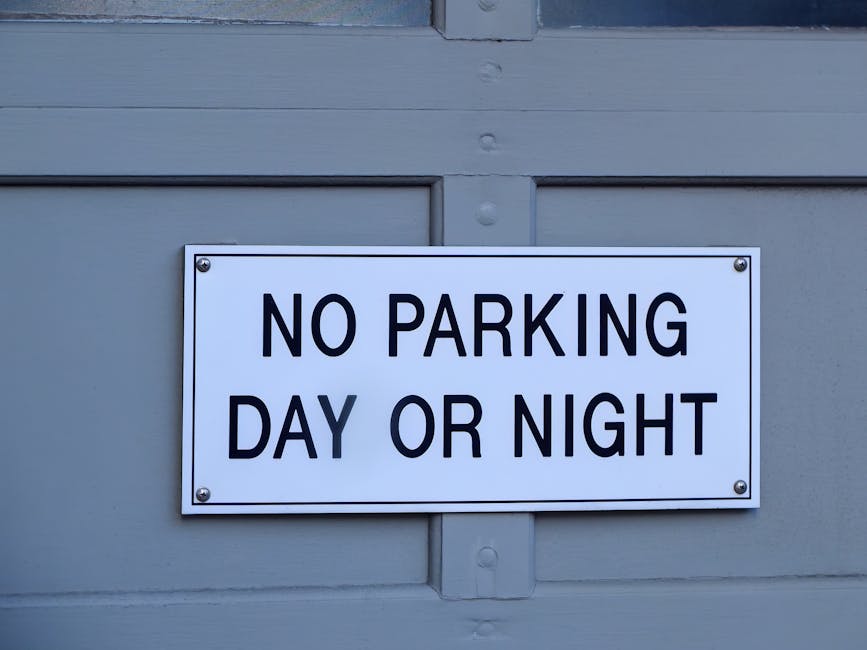
Do I need a loading bay permit in Woodford Green? Removal rules explained
If you are planning a house move, flat move, office relocation, or even a quick furniture drop-off, the loading bay question can get confusing fast. Do I need a loading bay permit in Woodford Green? Removal rules are not always obvious, and that is exactly where people get caught out. One minute you are booking a van; the next you are wondering whether you can stop outside a block, how long you can stay, or whether a permit is needed at all.
The short answer is: sometimes yes, sometimes no, and it depends on the street, the type of bay, the time of day, and the local restrictions in place. The longer answer is more useful, because a few minutes of checking can save you a lot of hassle, wasted time, or a very annoying knock-on delay on moving day. Let's unpack it properly.
Along the way, you will also see how loading bay planning fits with sensible removals prep, from packing efficiently before moving to handling awkward access on narrow streets and flats. It sounds dry, I know, but in practice it can be the difference between a smooth unload and a stressful scramble with the hazard lights on.
Table of Contents
- Why this matters in Woodford Green
- How loading bay permits usually work
- Key benefits and practical advantages
- Who needs this and when it makes sense
- Step-by-step guidance
- Expert tips for better results
- Common mistakes to avoid
- Tools, resources and recommendations
- Law, compliance, standards and best practice
- Options, methods or comparison table
- Case study or real-world example
- Practical checklist
- Conclusion
- Frequently asked questions
Why Do I need a loading bay permit in Woodford Green? Removal rules Matters
Loading bay rules matter because removals are not just about lifting boxes. They are about access, timing, vehicle positioning, and avoiding disruption to other road users. In Woodford Green, you can run into all the classic London access issues in one move: narrow streets, resident bays, shared-use bays, busy shopping stretches, and flats where the nearest legal stopping point is not exactly next to the front door.
If you turn up without checking, three things can happen. First, your van may not be able to stop where you hoped. Second, the crew may have to carry furniture much further than planned, which slows everything down. Third, you may risk a penalty or complaint if you stop in the wrong place. None of that helps on moving day, especially when the kettle is already packed.
Woodford Green removals also tend to involve mixed access conditions. You might be dealing with a terraced street one minute and a purpose-built block the next. That is why removal planning usually starts with the route, the parking position, and whether a loading bay can legally be used for the time needed. For longer or more complex moves, a well-timed loading arrangement can be just as important as the van itself.
Practical rule of thumb: if a vehicle needs to stop in a marked bay, or if the stop will affect traffic flow, assume you need to check the local restrictions before you commit.
And honestly, it is better to ask a slightly boring question now than to have an expensive surprise later. That is just common sense, really.
How Do I need a loading bay permit in Woodford Green? Removal rules Works
In simple terms, a loading bay permit or similar parking dispensation gives a vehicle permission to stop in a restricted or controlled bay for loading and unloading. The exact rule depends on the location and the type of bay. Sometimes a bay is strictly for loading during certain hours. Sometimes stopping is limited by a time window. Sometimes the bay is shared with other parking controls, which means the rules are even more important than they first appear.
For removals, the key question is not just whether a bay exists, but whether your specific use fits the conditions. A small same-day move may only need a short loading stop. A full flat move with wardrobes, beds, and white goods may need a much longer and more predictable arrangement. If you are moving a bulky item like a sofa or piano, planning becomes even more important; a little extra stop time can prevent rushed lifting and accidental damage. That is why articles such as the risks of DIY piano moving and bed and mattress moving tips are so relevant: the access plan often matters as much as the lifting plan.
Here is how the process usually works in practice:
- You identify the loading point closest to the property.
- You check whether the bay is restricted by time, vehicle type, or permit rules.
- You confirm whether the permit is for a bay, a suspension, or a short-stay loading dispensation.
- You allow for the actual carrying time, not just the van's arrival.
- You keep proof of approval or any booking confirmation with the driver.
One detail people miss: the "loading" part is often interpreted narrowly. It usually means active loading or unloading. Not standing around chatting, not waiting for a missing key, and not having tea while the wardrobe is still in the van. Slightly harsh, but that is how compliance is often judged.
If the access route is tight, the van may need a different approach entirely. For example, in some parts of the area, it is worth reading about best removal routes around Woodford High Road or narrow street removal tips for George Lane before booking a time slot. Route planning and parking permissions go hand in hand.
Key Benefits and Practical Advantages
Getting the loading arrangement right does more than prevent a parking headache. It makes the whole move calmer and more efficient. That sounds obvious, but you notice it sharply when it is missing. The boxes come down one by one, the van sits where it should, and there is no frantic reshuffling of vehicles or furniture halfway through the job.
- Less wasted time: The crew can load and unload without long walks or unnecessary repositioning.
- Lower risk of damage: Shorter carry distances generally reduce bumps, scrapes, and dropped items.
- Better safety: A proper bay or permitted stopping area gives more control around pedestrians and passing traffic.
- Fewer delays: If parking is sorted, the move is far less likely to stall before it starts.
- Improved communication: Everyone knows where the vehicle can stop and for how long.
There is also a commercial advantage. When a move is planned properly, quotes are more accurate. If a bay is awkward, busy, or requires extra handling time, that should be known before the day itself. It is one of the reasons good removals planning pairs so well with transparent pricing discussions, especially if you are already reading up on avoiding hidden fees in removal quotes.
In our experience, customers often feel a bit relieved once the access side is clear. It takes a surprisingly large chunk of stress out of the move. Less guesswork, fewer crossed fingers.
Who This Is For and When It Makes Sense
This issue is not just for large house moves. A loading bay permit or similar arrangement can matter for all sorts of jobs in Woodford Green.
- Flat moves: Especially if you are dealing with blocks, basement flats, or permit-controlled streets.
- House removals: Even houses can have restrictions if the road is narrow or the bay is shared.
- Office removals: Commercial buildings often have tighter rules and more formal loading arrangements.
- Student moves: Small moves can still trip over parking restrictions, particularly at busy times.
- Bulky item moves: Sofas, wardrobes, pianos, and mattresses often need closer access than people expect.
It also makes sense when you are moving on a deadline. For same-day or emergency relocations, a poor parking plan can cause immediate trouble. If the move is urgent, it is worth looking at same-day removals in Woodford Green and thinking about access before anything else.
Truth be told, if you are moving from a staircase-only flat or a property with no easy front access, the question is not really "Do I need permission?" It is "What is the safest legal way to make this work?" That is a better question, and a more useful one.
Step-by-Step Guidance
If you want a simple way to approach the problem, follow this sequence. It is not glamorous, but it works.
- Check the property access first. Is there a bay, a layby, a residents' space, or only general road parking?
- Measure the carrying distance. From the van to the door, then from the door to the actual room. That distance matters more than people think.
- Identify the time window. Early morning, lunchtime, school-run hours, evening, weekend, all can affect how practical a bay is.
- Confirm the bay type. Loading-only, shared-use, resident-only, or time-limited. They are not all the same.
- Book or request permission where needed. Do this early enough to avoid last-minute panic.
- Plan the load order. Put the heaviest or most awkward items closest to the exit and keep the path clear.
- Prepare the items properly. Good packing reduces the time the van needs to stay in place. See also packing strategies for moving day.
- Keep evidence handy. Confirmation details, vehicle registration, and any reference number should be easy to find.
One practical trick: if your move includes furniture that needs disassembly, sort that before moving day, not after the van arrives. A flat-pack bed frame taken apart in a hallway while the clock is ticking? Nobody enjoys that. If you are dealing with larger pieces, the guide on storing a sofa properly can also help you think through protective wrapping and handling.
And if the whole process sounds like a lot, that is because moving genuinely is a lot. But it gets manageable when you break it into steps.
Expert Tips for Better Results
Here is where a bit of real-world experience helps. Loading bay issues are rarely about one giant mistake. They are usually about a handful of small oversights adding up.
- Check the bay before move day: A quick look at signs and markings can prevent assumptions.
- Build in buffer time: Traffic, keys, lifts, neighbours, and weather all create delay. London does like to keep people humble.
- Keep the route clear inside the property: Shoes, plant pots, bins, and loose rugs are tiny hazards that slow everything down.
- Use the right vehicle size: A van that is too large can be harder to position; one that is too small can mean multiple trips.
- Coordinate with the building: Concierge staff, managing agents, and neighbours can make the day much smoother if they know what is happening.
If you are lifting on your own for any part of the process, be cautious. Good moving form matters, and overly ambitious solo lifts are where people get hurt. Helpful background reading includes efficient solo heavy lifting techniques and even the more technical kinetic lifting principles. The main point is simple: do not rush a heavy carry just because the bay clock is ticking.
Also, if you are clearing out items before the move, it may be worth reading how to declutter strategically before moving. Less clutter means less loading time, and less loading time means less pressure on the parking window. Very neat, really.
Common Mistakes to Avoid
A lot of loading bay trouble comes from the same familiar mistakes. The good news? They are all avoidable.
- Assuming any bay is fair game. A marked bay is not automatically available for removals.
- Leaving the permit check until the morning of the move. That is classic panic territory.
- Forgetting the unloading side. You may have sorted the departure point, but what about the destination?
- Ignoring building rules. Private estates and managed blocks can have extra restrictions beyond the road layout.
- Underestimating carrying time. A "quick load" often becomes a long one once the sofa appears.
- Not planning bulky waste or unwanted items. You do not want old furniture sitting in the way. If you have extra items to dispose of, this guide to bulky waste removal solutions in Woodford Green is a useful companion read.
One more thing: do not rely on memory. People often think they know where they can stop because "we did it last time." Streets change, restrictions change, and building rules change. That old assumption can cost you.
Tools, Resources and Recommendations
You do not need a huge toolkit, but a few practical items make loading bay work easier and safer.
- Wheelbarrow or sack truck: Useful for boxes, appliances, and repetitive trips.
- Furniture blankets and straps: Better protection during short but awkward carries.
- Labels and colour coding: Speeds up unloading once you reach the bay or front door.
- Phone notes or printed access plan: Keep the bay time, vehicle registration, and arrival sequence in one place.
- Protective gloves and sensible shoes: Simple, but surprisingly important.
For a smoother overall move, you might also want to look at stress-free moving strategies and, if storage is part of the plan, storage options in Woodford Green. Sometimes the best solution is not to force everything into one day.
On a practical note, if you are moving white goods, read up on how to handle them properly. A freezer or fridge that has been left idle needs care, and that can affect timing when you are juggling loading bay access. The article on storing your freezer efficiently when idle is worth a look if appliances are part of your move.
Law, Compliance, Standards, or Best Practice
Because parking and road use are regulated, it is sensible to treat loading bay access as a compliance issue, not a casual convenience. The exact rules can vary by street, council policy, traffic order, estate management rules, and the type of vehicle involved. In other words, there is no one-size-fits-all answer that is safe to repeat for every address in Woodford Green.
Best practice is straightforward:
- Check the restrictions for the exact location. Do not assume a nearby street works the same way.
- Use the bay only for active loading or unloading. If the vehicle is just sitting there, that may not qualify.
- Keep your vehicle details accurate. Registration mismatches can create avoidable issues.
- Respect time limits. A loading stop is not a free parking space.
- Follow building and estate rules as well as road rules. Both can apply at once.
If you are unsure, ask for clarification before the move rather than after. That is the simplest compliance strategy there is. For company standards and safety expectations, it is also sensible to review information such as the health and safety policy, insurance and safety information, and terms and conditions. These pages help set expectations around responsibility and process.
For moves involving flats, the detail matters even more. Stairwells, lifts, shared corridors, and managed entrances can all add restrictions or slow access. If that sounds like your situation, it is worth checking safe removal strategies for staircase-only flats on Snakes Lane and flat removals in Woodford Green before locking in your schedule.
Options, Methods, or Comparison Table
If you are deciding how to handle access, these are the common approaches. The best one depends on the property, the schedule, and how much you need to move.
| Option | Best for | Pros | Watch out for |
|---|---|---|---|
| Short loading stop in a permitted bay | Small to medium moves with clear access | Quick, simple, cost-effective | Time limits can be tight |
| Formal loading permit or dispensation | Longer moves or controlled streets | More certainty and less parking risk | May need advance planning |
| Alternative legal parking nearby | Areas with flexible side streets | Can avoid permit delays | Longer carrying distance |
| Timed arrival with lift support | Flats, offices, and busy estates | Reduces waiting and improves flow | Needs coordination and punctuality |
For many households, the second option is the safest bet if the road is controlled. For smaller, simpler jobs, the first or third option may be enough. If you are moving an office or a heavy item like a piano, a better coordinated access plan is usually worth the effort. That is where office removals in Woodford Green and piano removals in Woodford Green become especially relevant.
Case Study or Real-World Example
Here is a simple, realistic example. A couple moving from a first-floor flat near a busy road in Woodford Green assumed they could park the van in the nearest marked bay for about twenty minutes. When they checked the actual bay restrictions, they discovered it was loading-only during a limited window, and the block's entrance was on the other side of a small turning circle.
Instead of forcing the issue, they adjusted the schedule, moved the heaviest boxes first, and used a nearer legal stopping point with a slightly longer carry. It added a few minutes to the physical effort, but it removed the risk of overstaying in a restricted bay. The move ended up feeling calmer than expected. Not perfect, but steady. And steady is good on moving day.
What made it work was not luck. It was preparation. They had already packed properly, labelled the rooms, and cleared the hallway the night before. If they had also needed temporary storage, they could have used a local storage solution rather than rushing clutter back into the way. That is why moves often go better when the whole chain is considered together: packing, parking, carrying, and placement.
Practical Checklist
Use this checklist before moving day. It keeps the access side from slipping through the cracks.
- Confirm the exact collection and delivery addresses.
- Check whether either address has a loading bay or stopping restriction.
- Note the time limits for any bay you plan to use.
- Arrange permission or a permit if needed.
- Confirm the van size and parking plan with the mover.
- Prepare boxes, labels, and protective wrapping in advance.
- Clear hallways, entrances, and the path to the bay.
- Move fragile or high-value items separately if required.
- Have keys, contact numbers, and reference details ready.
- Plan for unwanted furniture or bulky waste before the van arrives.
A last-minute rush is where the mistakes creep in. It always does, somehow.
Conclusion
So, do you need a loading bay permit in Woodford Green? Removal rules depend on the exact bay, the property, the timing, and the type of move you are doing. If a vehicle is stopping in a controlled area for loading or unloading, do not assume it is automatically fine. Check first, plan properly, and build your move around the real access conditions rather than the ideal ones.
When the parking side is sorted, everything else feels easier. The carrying is more controlled, the schedule is less fragile, and the whole day has a better rhythm. That is especially true for flats, offices, or busy streets where access can be the hardest part of the job. If you want to keep momentum and avoid the usual moving-day scramble, a little planning goes a very long way.
If your move involves awkward access, bulky furniture, or tight timing, it helps to speak with a team that understands local road conditions and removal logistics in Woodford Green. A little guidance now can save a lot of stress later. And honestly, that is worth it.
Get a free quote today and see how much you can save.
Frequently Asked Questions
Do I always need a loading bay permit in Woodford Green?
No, not always. It depends on whether the bay or stopping area is restricted, whether the move is in a controlled zone, and how long the van needs to stay. Some moves can be managed legally without a permit, but you should never assume that in advance.
What counts as loading and unloading?
Usually, it means active movement of items between the property and the vehicle. Waiting around, taking a break, or leaving the van unattended for longer than the loading activity can weaken your position if a restriction is enforced.
Can I just stop in a loading bay for a few minutes?
Sometimes, yes, but only if the bay and the time of day allow it. A few minutes can still be enough to get a penalty if the restriction does not permit your vehicle there. It is worth checking the exact signage.
Do flat moves need different access planning from house moves?
Often, yes. Flats usually involve stairs, lifts, shared entrances, and less direct vehicle access. For that reason, flat moves tend to need more careful parking and loading planning than standard house moves.
What if the bay is occupied when the van arrives?
Have a backup plan. That might mean a nearby legal stopping point, a different time slot, or a revised unloading sequence. It is better to have a Plan B than to let the crew stand around waiting.
Who should arrange the loading bay permit?
That depends on the move and the service provider, but the person booking the move should always make sure the access plan is clear. If you are hiring help, confirm who is responsible for checking parking and permissions.
Is a permit the same as a parking suspension?
Not necessarily. They are different arrangements. A loading permit, a dispensation, and a parking suspension can serve different purposes. If you are unsure which one applies, ask before the move rather than guessing.
How far in advance should I sort the loading bay side?
As early as possible. For a simple move, a few days' notice may be enough in some cases, but more complex or controlled locations usually benefit from earlier planning. Leaving it until the last minute is risky.
What happens if I park incorrectly during a removal?
You could face delays, a complaint, or a parking enforcement issue. Even if nothing formal happens, the move itself can become slower and more stressful. A poor parking setup affects the whole day.
Can a removal company help with route and parking planning?
Yes, a good one should. It is sensible to ask about access, vehicle size, and loading arrangements before the move is booked. You can also review the wider services overview and removal services in Woodford Green to see how the job is usually structured.
What if I also have items to store or dispose of?
That adds another layer of planning. If you need storage, book it early. If you have bulky waste, sort it before the van arrives. The smoother you handle those extras, the easier the loading bay side becomes.
Where can I learn more about moving safely and efficiently?
Useful next reads include cleaning tips for a stress-free move-out, expert packing strategies, and stress-free strategies for moving home. They all help with the parts of the move that feed into access and timing.